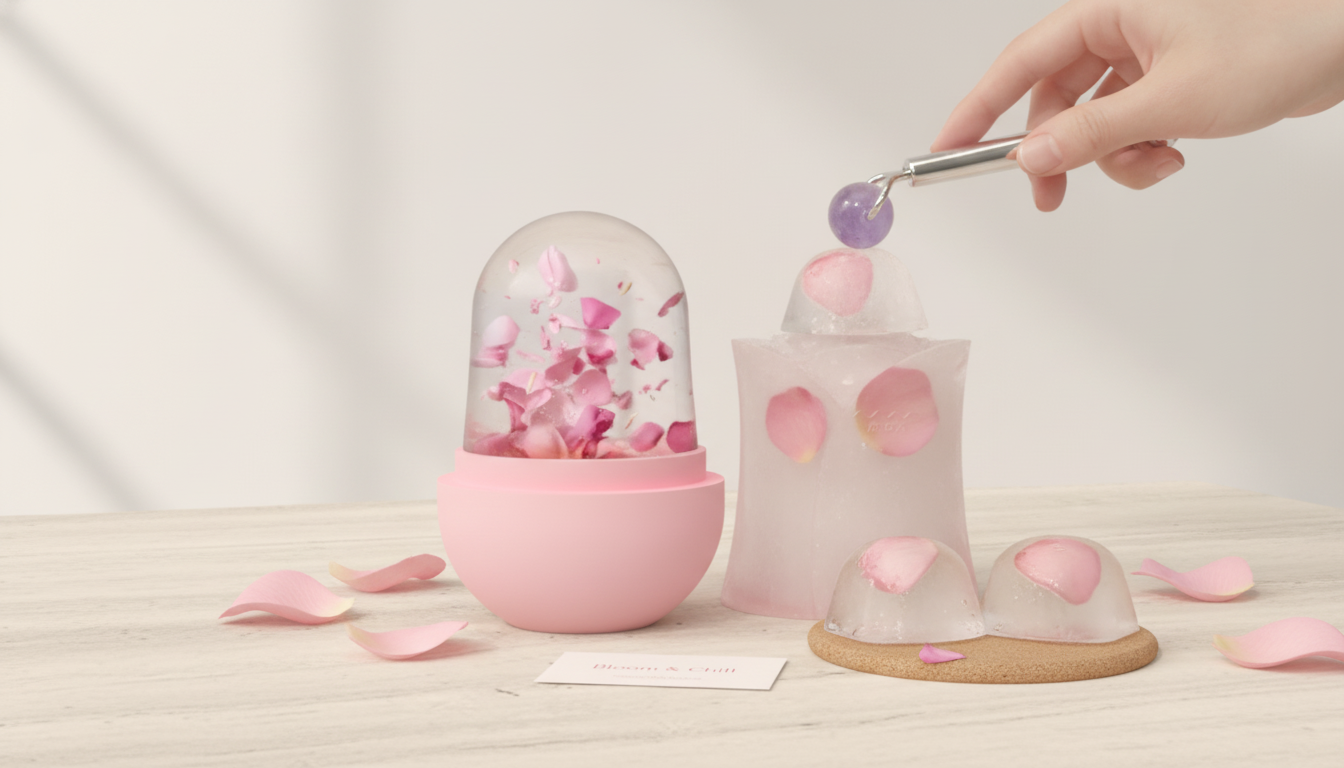
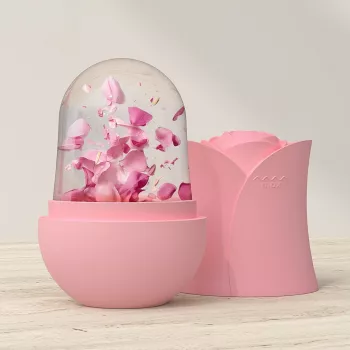
Ice face rollers can work for certain short-term skin goals, especially when the main concern is morning puffiness, a flushed look after heat or exercise, or temporary swelling. The cooling effect constricts surface blood vessels and helps calm the appearance of redness, while the rolling motion can encourage fluid to move away from under-eye and cheek areas. The result is often a fresher, more “snatched” look that shows up quickly but doesn’t permanently change skin structure.
They’re most useful as a quick, low-effort add-on to a routine rather than a standalone solution for long-term issues like deep wrinkles, persistent dark circles from genetics, or hormonal acne. For those concerns, ice rolling can support comfort and appearance, but it won’t replace consistent skincare, sun protection, or targeted treatments.
Most people notice reduced puffiness and a cooler, tighter feel within a few minutes. That effect typically lasts from about 30 minutes to a few hours, depending on sleep, salt intake, allergies, and hydration. Redness can look muted temporarily, and makeup may apply more smoothly if the skin looks less swollen.
Use light pressure and keep the roller moving to avoid over-chilling one spot. Roll outward and upward along the cheeks and jaw, and be extra gentle around the under-eye area. If you have very sensitive skin, rosacea flare-ups, or are prone to broken capillaries, keep sessions brief and stop if stinging or persistent redness occurs.
For a deeper breakdown of benefits, technique, and who should be cautious, see the full guide on whether ice face rollers actually work.
It can temporarily soothe the look and feel of inflamed blemishes by cooling the skin, but it won’t treat the root causes of acne. Avoid rolling over open or irritated lesions, and keep the roller clean to reduce the risk of spreading bacteria.








Leave a comment