Smart Makeup Tips for Oily Skin: Shine-Free Makeup That Lasts
Oily skin can melt makeup, emphasize texture, and bring back shine fast—especially through the T-zone. A shine-resistant look comes from the right prep, thin layers, strategic setting, and smart touch-ups. The routine below focuses on technique more than product overload, so makeup lasts longer without looking heavy.
Why makeup breaks down on oily skin
When oil rises to the surface, it doesn’t just create shine—it changes how makeup behaves.
- Oil mixes with base products and loosens pigment, leading to slipping, patchiness, and fading.
- Heavy layers can separate faster than thin layers, especially around the nose, smile lines, and chin.
- Over-powdering can look smooth at first, then turn cakey once oil returns and pushes through.
- Dehydrated skin can still be oily; harsh cleansers and aggressive scrubbing may trigger more oil production.
If oiliness is persistent or paired with breakouts, it can help to review basic skin habits from dermatologist-backed sources like the American Academy of Dermatology Association and general guidance on excess oil’s role in acne from Mayo Clinic.
Prep that keeps shine under control (without stripping)
The goal is a balanced surface: hydrated enough that makeup glides, but not slick.
- Cleanse gently: Choose a mild cleanser and avoid harsh scrubs right before makeup to prevent irritation and rebound oiliness.
- Lightweight hydration: Use a gel-cream or light lotion; this helps makeup sit smoothly instead of catching on dry patches.
- Sun protection matters: Pick a lightweight, non-comedogenic SPF and let it set before primer so layers don’t mix.
- Prime with intention: Apply oil-control primer mainly on the T-zone and around visible pores—don’t pile it everywhere.
- Wait times help: Give skincare and SPF about 3–5 minutes to absorb before starting foundation.
Base makeup strategy: thin layers, targeted coverage
Long-wearing makeup on oily skin is less about “more coverage” and more about smarter placement.
- Choose the right finish: Soft-matte or natural-matte bases usually hold up better than very dewy formulas on high-oil zones.
- Use less product than expected: Apply one thin layer, then spot-conceal only where needed (redness, blemishes).
- Apply with pressing motions: Use a damp sponge or dense brush to press product into the skin instead of dragging it across oilier areas.
- Let each layer set: Short pauses between foundation, concealer, and powder reduce mixing and separation.
- Keep luminous products off the center face: Add glow to cheekbones, not the T-zone, so photos read “radiant,” not “greasy.”
Powder and setting: lock in without looking flat
Powder works best as a targeted “anchor,” not a mask.
- Placement beats full-face heaviness: Concentrate on the T-zone, around the nostrils, and the area under the lower lip where makeup often breaks down.
- Use a small brush or puff for precision: Press powder where shine returns first; sweep lightly elsewhere only if needed.
- Try a “press, then roll” technique: Pressing helps adhesion; rolling blends edges without lifting foundation.
- Setting spray can help: Mist in light layers and let it dry fully to reduce powdery texture and extend wear time.
- Avoid too many gripping layers: Overly tacky primer + heavy foundation + heavy powder can emphasize texture and make makeup break apart.
Shine-free routine timeline (easy to follow on busy days)
A predictable routine prevents the common cycle of over-applying, over-powdering, and then melting by lunchtime. Keep the steps consistent, and plan a midday reset that removes oil before you add anything back.
Quick routine for oily skin: morning to night
| Time |
What to do |
Why it helps |
| Morning (prep) |
Gentle cleanse → lightweight moisturizer → SPF → T-zone primer |
Balances surface oils and creates a smoother base |
| Morning (base) |
Thin foundation layer → spot conceal → press powder on T-zone |
Prevents separation and reduces shine where it returns first |
| Midday (touch-up) |
Blot first → tiny amount of powder only if needed → optional setting mist |
Blotting removes oil without adding cakey layers |
| Evening (refresh) |
If going out, add a thin layer of concealer where faded + re-powder lightly |
Restores coverage without starting over |
Touch-up kit essentials (and what to skip)
Touch-ups go wrong when oil stays on the skin and new layers pile on top. A small kit helps you reset in seconds.
Common oily-skin makeup mistakes that cause more shine
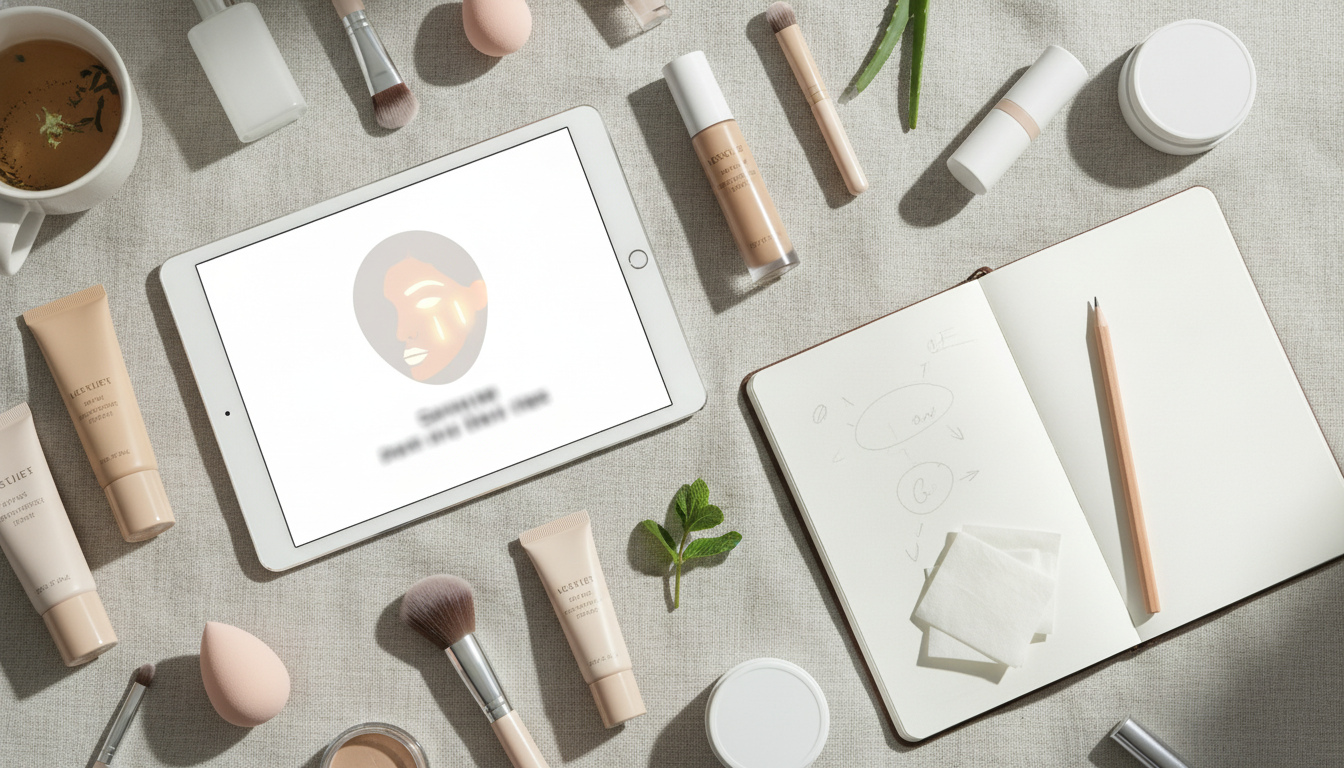
Using a step-by-step digital guide for consistent results
FAQ
Should oily skin skip moisturizer before makeup?
No—lightweight moisturizer can reduce dehydration-triggered oiliness and helps makeup apply more smoothly. Choose a gel-cream or oil-free lotion and give it a few minutes to absorb before primer and foundation.
How can shine be touched up without cakey powder?
Blot first to remove oil, then add a tiny amount of pressed powder only where shine returns (usually the T-zone). Using a small puff or brush keeps placement precise, and a light setting mist can help the layers look more seamless.
Why does foundation separate around the nose and mouth?
Those areas combine extra oil, frequent movement, and product buildup, which can cause foundation to break apart. Use thinner base layers, targeted primer, pressing motions during application, and set the sides of the nose and smile-line area without overloading skincare in creases.
Recommended for you












Leave a comment