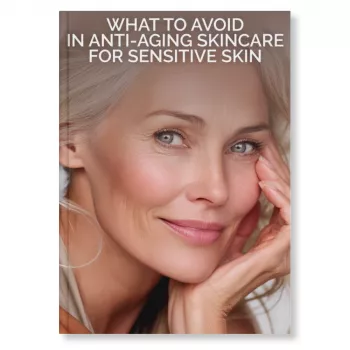
The best anti-aging skin care for sensitive skin is a simple routine built around gentle, fragrance-free formulas that strengthen the skin barrier while delivering proven anti-aging benefits. Look for products that calm irritation, support hydration, and improve tone and texture without triggering redness or stinging.
Choose a mild, non-foaming or low-foam cleanser that won’t strip natural oils. Avoid scrubs and strong acids if your skin is easily reactive. Cleanse with lukewarm water and pat dry to reduce irritation.
For sensitive skin, the most tolerable anti-aging ingredients often include niacinamide, peptides, ceramides, and hyaluronic acid. If you want to use retinoids, start with a low-strength retinol (or retinal) a few nights per week and increase gradually as tolerated. Vitamin C can help with brightness and fine lines, but sensitive skin typically does best with gentler derivatives or lower concentrations.
A rich, barrier-supporting moisturizer can make active ingredients easier to tolerate. Prioritize ceramides, glycerin, squalane, and soothing agents like panthenol or colloidal oatmeal. Skip heavy fragrance, essential oils, and drying alcohols if they cause flare-ups.
Sun protection is the most effective anti-aging step. Many sensitive skin types prefer mineral sunscreens (zinc oxide and/or titanium dioxide) because they’re less likely to sting. Apply every morning and reapply when outdoors.
For ingredient guidance and routine ideas that fit sensitive skin, visit the main article.
For Anti-Aging Skincare for Sensitive Skin: Best Routine, the best answer depends on fit, material, care instructions, and how the product will be used day to day.
Start with a low-strength retinol 1–2 nights per week, apply it over moisturizer (or “sandwich” with moisturizer), and increase frequency only if your skin stays comfortable. If irritation persists, switch to a gentler retinoid alternative or use it less often.









Leave a comment